

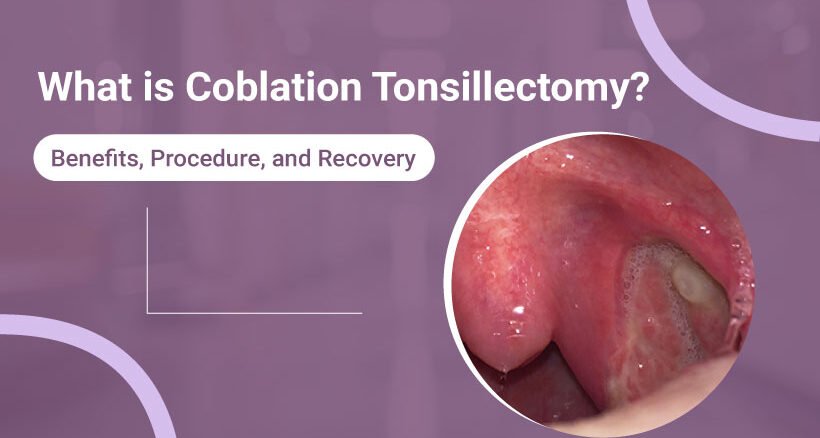
Tonsillitis can be painful, uncomfortable, and recurring. For many patients, surgery becomes the best option when medications and home remedies fail to offer long-term relief. In recent years, coblation tonsillectomy has emerged as an advanced and less painful surgical method to remove the tonsils. It offers quicker healing, minimal bleeding, and a smoother recovery than traditional methods.
In this blog, Dr. Simple Bhadania, an experienced ENT specialist in Ahmedabad, explains everything you need to know about coblation tonsillectomy, its procedure, benefits, and recovery process.
What is Coblation Tonsillectomy?
A coblation tonsillectomy is a modern surgical technique used to remove the tonsils, two small glands located at the back of your throat that help fight infection. Over time, if these glands frequently get infected or enlarged, they can cause repeated sore throats, breathing difficulties, or sleep problems. In such cases, tonsil removal may be recommended.
“Coblation” stands for controlled ablation. The term refers to a process where radiofrequency energy and saline solutions are used to create a plasma field that precisely dissolves soft tissue at a low temperature, usually between 40°C to 70°C. Unlike traditional tonsil surgery methods that use heat (electrocautery) or mechanical removal, coblation causes less tissue damage and reduces pain during recovery.
This advanced technology gently removes the tonsils while preserving the surrounding healthy tissues. It’s especially beneficial for children and adults who want a smoother recovery experience.
When both tonsils are removed using this technique, it’s called a bilateral coblation tonsillectomy.
How is the Coblation Tonsillectomy Procedure Performed?
The coblation tonsillectomy procedure is safe, effective, and typically performed under general anaesthesia. The entire surgery usually takes about 30 to 45 minutes. Here’s how it’s done:
- Preparation and Anaesthesia:
Before the surgery begins, the patient is given general anaesthesia to ensure they are asleep and feel no pain during the procedure. - Tonsil Removal:
The surgeon inserts a specialised coblation wand into the mouth. This wand emits a plasma field created by radiofrequency energy and saline solutions. The plasma energy gently dissolves the tonsil tissue at a relatively low temperature. Because it doesn’t use high heat, the surrounding areas experience minimal damage or charring. - Control of Bleeding:
One of the main advantages of coblation surgery is its precision. The surgeon can control bleeding easily during the procedure because the plasma energy seals blood vessels as it removes the tonsils. - Completion:
After the tonsils are removed, the patient is taken to the recovery room for observation. Most patients can return home the same day after the effects of anaesthesia wear off.
According to Dr. Simple Bhadania, this minimally invasive approach significantly reduces discomfort compared to older surgical methods, making it a preferred option for both children and adults.
What are the Benefits of Coblation Tonsillectomy?
Coblation tonsillectomy is becoming increasingly popular due to its advanced technology and patient-friendly recovery. Here are some of its key benefits:
- Less Pain After Surgery:
Traditional tonsillectomy techniques often involve heat or mechanical cutting, which can cause more tissue damage and post-surgery pain. Coblation uses low-temperature plasma, resulting in less discomfort and a faster return to normal eating and talking. - Minimal Bleeding:
The coblation device seals small blood vessels during surgery, minimising bleeding both during and after the procedure. - Faster Recovery:
Patients, especially children, can return to school or work sooner. Most people can resume normal activities within 7 to 10 days. - Reduced Risk of Damage:
The surrounding tissues and muscles are not burned or harmed, lowering the risk of complications. - Better Healing:
Because of less tissue trauma, the healing process is smoother, with minimal scarring and swelling. - Fewer Postoperative Complications:
Coblation tonsillectomy reduces the likelihood of common postoperative issues such as infection, scab formation, or delayed bleeding.
In short, patients who undergo coblation tonsillectomy tend to experience a faster, safer, and more comfortable recovery compared to those who undergo traditional tonsil removal methods.
How is the Recovery After Coblation Tonsillectomy?
Recovery is one of the most important aspects that patients and parents are concerned about. Thankfully, the coblation tonsillectomy recovery period is usually smoother and less painful than traditional tonsil surgeries.
Here’s what to expect after the procedure:
- Immediately After Surgery:
- Patients are monitored for a few hours in the recovery room.
- Mild throat soreness and ear pain are common but manageable with prescribed medications.
- It’s important to stay hydrated by drinking small sips of water.
- Diet and Hydration:
- Start with cold liquids, ice cream, or soft foods like mashed potatoes, soups, or yoghurt.
- Avoid spicy, hard, or crunchy foods for about 10 to 14 days to prevent irritation or bleeding.
- Drink plenty of fluids to keep the throat moist and promote healing.
- Pain Management:
- Pain may persist for a few days, especially while swallowing.
- Pain relievers prescribed by the doctor should be taken as directed.
- Rest and Activity:
- Rest is essential for the first few days after surgery.
- Avoid strenuous activities or sports until the doctor allows.
- Most children can return to school within 7 to 10 days.
- Follow-Up Visits:
- Regular follow-up with your ENT specialist ensures proper healing and identifies any early signs of complications.
Dr. Simple Bhadania advises patients to contact their ENT doctor immediately if they notice continuous bleeding, high fever, or difficulty breathing after surgery.
When is Coblation Tonsillectomy Recommended?
This surgery is usually recommended when:
- You suffer from recurrent tonsillitis (more than 5-6 infections per year).
- You have trouble breathing or swallowing due to enlarged tonsils.
- You have obstructive sleep apnea caused by tonsil enlargement.
- You experience persistent bad breath due to chronic tonsil stones or infection.
Coblation tonsillectomy is suitable for both children and adults, especially those who want less pain and faster recovery compared to traditional methods.
Conclusion
The coblation tonsillectomy surgery represents a major step forward in ENT care. It offers patients a safe, effective, and comfortable way to remove tonsils with minimal pain and downtime. By using plasma technology instead of high heat, it ensures precise removal with less trauma and faster healing.
If you or your child is struggling with frequent throat infections or enlarged tonsils, consult an experienced ENT specialist to know whether coblation tonsillectomy is right for you.
Dr. Simple Bhadania emphasises that each patient’s condition is unique, and the treatment should always be personalised based on medical history, age, and symptoms. With expert care and modern techniques like coblation, tonsil surgery no longer needs to be a painful experience.