

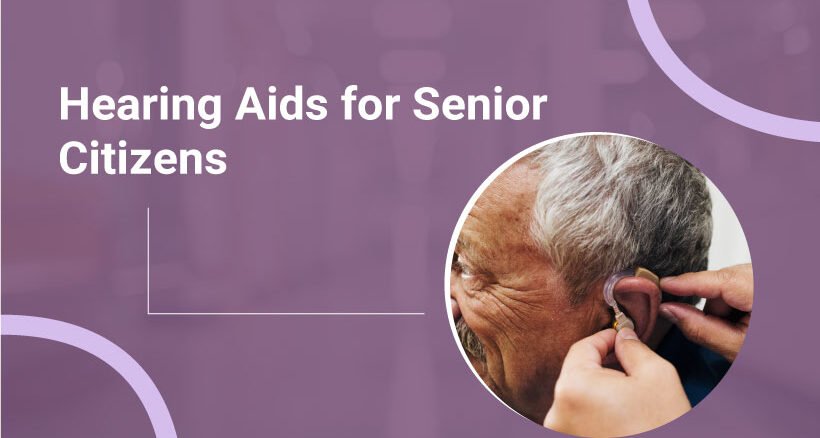
As we age, our hearing often changes. Many senior citizens notice that conversations become harder to follow, especially in noisy places. Thankfully, modern hearing aids can make a big difference. They not only improve hearing but also help seniors stay connected with family, enjoy social life, and maintain their confidence.
In this blog, ENT Specialist in Ahmedabad Dr. Simple Bhadania explains how to choose the best hearing aids for senior citizens and how they can continue enjoying life with better hearing.
Why Do Senior Citizens Need Hearing Aids?
Hearing loss in older adults is quite common. It can happen due to natural aging, long-term exposure to loud sounds, or certain medical conditions. When left untreated, it can lead to isolation, frustration, and even memory problems.
Hearing aids help by amplifying sounds, making it easier for seniors to hear clearly and respond comfortably in conversations. Here’s why they are essential for senior citizens:
- Better communication: Seniors can easily talk to family and friends without constantly asking others to repeat.
- Improved confidence: Hearing clearly helps seniors participate in social activities and enjoy their hobbies.
- Enhanced safety: Being able to hear alarms, doorbells, or approaching vehicles keeps them safe.
- Better mental health: Clear hearing reduces loneliness and supports emotional well-being.
According to Dr. Simple Bhadania, using hearing aids early can prevent communication problems and improve brain activity related to hearing and speech understanding.
What are the Best Hearing Aids for Senior Citizens?
Choosing the best hearing aids for senior citizens depends on comfort, budget, and lifestyle. Modern hearing aids come in several styles and with advanced features that make them easy to use and maintain.
Here are some popular types to consider:
- Behind-the-Ear (BTE) Hearing Aids:
- Suitable for moderate to severe hearing loss.
- Easy to handle and maintain.
- Ideal for seniors who prefer simple controls and better sound clarity.
- Receiver-in-Canal (RIC) Hearing Aids:
- Small and discreet design.
- Offers natural sound quality.
- Great for those who value both comfort and performance.
- In-the-Ear (ITE) Hearing Aids:
- Custom-made to fit inside the ear.
- It is easier to insert and remove.
- Recommended for seniors with mild to moderate hearing loss.
- Completely-in-Canal (CIC) Hearing Aids:
- Almost invisible when worn.
- Suitable for seniors who want a discreet look.
- May be harder to handle for those with reduced finger movement.
When choosing a hearing aid, seniors should also look for features such as:
- Rechargeable batteries to avoid frequent battery changes.
- Bluetooth connectivity for connecting to smartphones or TVs.
- Noise reduction technology to make conversations clearer in noisy environments.
- Automatic sound adjustment that adapts to different listening situations.
Dr. Simple Bhadania recommends that seniors consult a qualified hearing specialist before choosing a hearing aid. A proper hearing test helps determine the right type and settings for everyone’s needs.
How Can Seniors Maintain and Care for Their Hearing Aids?
Owning a hearing aid is just the beginning. Regular care and maintenance help keep it working efficiently for years. Here are some easy tips seniors can follow:
- Clean regularly:
- Use a soft, dry cloth to wipe the device daily.
- Avoid using water or cleaning agents.
- Store properly:
- Keep hearing aids in a dry, cool place when not in use.
- Avoid exposing them to direct sunlight or moisture.
- Check batteries:
- Replace or recharge batteries as needed.
- Carry spare batteries when travelling.
- Handle gently:
- Always remove hearing aids before showering or swimming.
- Avoid dropping them on hard surfaces.
- Regular check-ups:
- Visit the hearing specialist for periodic adjustments or servicing.
- Get hearing tested annually to ensure the device is still suitable.
Good care ensures consistent sound quality and prevents common issues like feedback, muffled sounds, or sudden power loss.
How Do Hearing Aids Improve Quality of Life for Seniors?
Hearing aids do much more than restore sound, they help seniors reconnect with life. Here’s how they enhance day-to-day living:
- Social confidence: Seniors feel more comfortable joining conversations and family gatherings.
- Emotional well-being: Reduced feelings of loneliness and depression.
- Better focus: Clear hearing allows better attention to details during talks or meetings.
- Cognitive health: Studies show that improved hearing helps keep the brain active and sharp.
- Independent living: Seniors can hear doorbells, alarms, and instructions clearly, promoting safety and independence.
Dr. Simple Bhadania highlights that adapting to hearing aids may take a few weeks, but the long-term benefits are worth it. Regular use helps the brain adjust to new sound patterns and improves hearing clarity over time.
What Should Seniors Consider Before Buying Hearing Aids?
Before purchasing, it’s important to consider a few key factors:
- Hearing test: Always get a professional evaluation to identify the level of hearing loss.
- Comfort: Choose a style that fits well and feels comfortable for long use.
- Technology level: Consider features like noise reduction, Bluetooth, and rechargeability.
- Warranty and service: Opt for brands that offer after-sales support and maintenance.
- Budget: Compare options based on price and value. Expensive doesn’t always mean better; the best hearing aid is one that suits your specific needs.
Seniors should also give themselves time to adjust to the new device. Start by using it in quiet environments before moving to noisier ones. With patience and support, hearing aids can significantly improve confidence and communication.
Conclusion
Hearing loss should never stop senior citizens from enjoying their lives. With the right hearing aid, they can regain confidence, stay active, and enjoy every moment with their loved ones.
If you or your family member is experiencing hearing difficulties, consult Dr Simple Bhadania for a complete hearing assessment and personalised guidance. Choosing the best hearing aids for senior citizens is not just about technology; it’s about improving quality of life, connection, and happiness.
Most hearing aids last between 4 to 6 years with proper care and regular servicing.
No, it’s best to remove them before sleeping to prevent damage and allow your ears to rest.
Some insurance plans may offer partial coverage. It’s best to check with your provider before purchasing.
They don’t cure hearing loss, but they greatly improve how well you can hear and understand sounds.
Adjustment time varies from person to person. Most seniors adapt within a few weeks of regular use.