

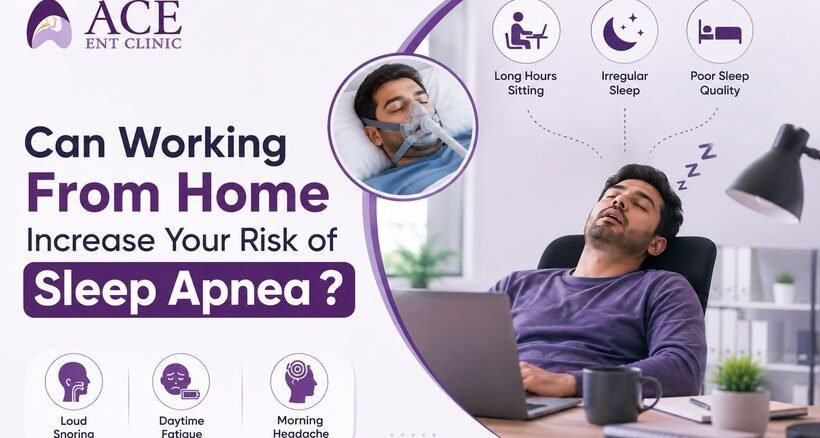
If you work from home and feel tired no matter how much you sleep, you may be dealing with more than just fatigue. Remote work has changed the way millions of people live, eat, move, and rest and not always for the better. One condition quietly rising among work-from-home professionals is sleep apnea, a serious sleep disorder that disrupts breathing during the night. As an ENT Specialist, Dr Simple Bhadania sees a growing number of patients who developed or worsened their sleep apnea symptoms after switching to remote work.
What Is Sleep Apnea?
Sleep apnea is a medical condition where your breathing repeatedly stops and starts while you sleep.
These pauses in breathing — called apneas — can last anywhere from a few seconds to over a minute. They may happen dozens or even hundreds of times in a single night. The brain briefly wakes you up each time to restore breathing, which means you never reach the deep, restorative stages of sleep your body needs.
There are three main types:
- Obstructive Sleep Apnea (OSA): The most common type, caused by the throat muscles relaxing and blocking the airway
- Central Sleep Apnea: The brain fails to send the right signals to the muscles that control breathing
- Complex Sleep Apnea Syndrome: A combination of both types
Sleep apnea is not just a sleeping problem — it is a full-body health risk. Left untreated, it can contribute to high blood pressure, heart disease, type 2 diabetes, and cognitive decline.
What Are the First Signs of Sleep Apnea?
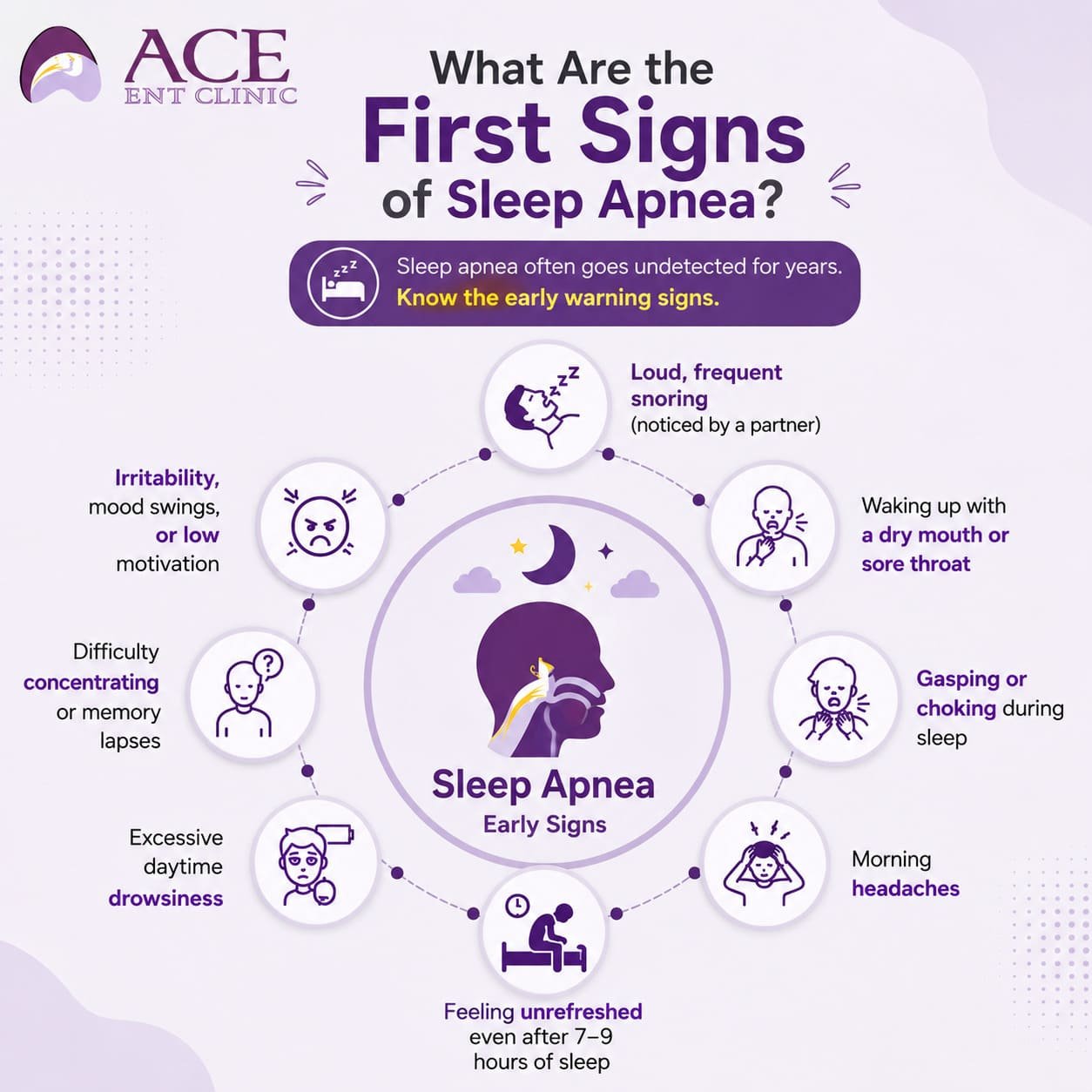
Many people with sleep apnea do not even know they have it. The condition often goes undetected for years.
Watch for these early warning signs:
- Loud, frequent snoring (especially noticed by a partner)
- Waking up with a dry mouth or sore throat
- Gasping or choking during sleep
- Morning headaches
- Feeling unrefreshed even after 7–9 hours of sleep
- Excessive daytime drowsiness
- Difficulty concentrating or memory lapses
- Irritability, mood swings, or low motivation
The Link Between Sleep Apnea and Work From Home
1. Disrupted Sleep Schedules
Office jobs force a predictable routine: wake up, commute, work, commute home, sleep. Remote work removes those anchors. Many professionals find themselves working late into the night, skipping morning routines, or napping at irregular hours.
This irregular sleep pattern disrupts your circadian rhythm, the internal biological clock that regulates when you feel sleepy and when you feel alert. A disrupted circadian rhythm reduces sleep quality and increases the likelihood of breathing disruptions during sleep.
2. Weight Gain and Physical Inactivity
One of the most significant risk factors for sleep apnea is excess body weight, particularly fat deposits around the neck and upper airway. Remote workers move far less than office workers. There is no commute, no walking between buildings, no physical activity built into the workday.
Studies show that even modest weight gain, as little as 10% body weight, can significantly increase the severity of obstructive sleep apnea. When you add sedentary work habits to less-structured eating patterns (more snacking, late-night meals), the risk compounds quickly.
3. Poor Posture and Airway Compression
Working from a couch, bed, or poorly set-up home desk leads to chronic poor posture. Slumping forward, slouching the shoulders, and rounding the back all affect the alignment of the jaw, neck, and airway.
Poor neck and jaw positioning during the day can carry over into sleep position, particularly if you tend to sleep on your back and this narrows the airway, making obstructive sleep apnea more likely or more severe.
4. Increased Alcohol and Screen Time
Remote workers often report higher alcohol consumption and significantly more screen time, especially in the evenings. Both of these directly worsen sleep apnea
- Alcohol relaxes the muscles in the throat, making airway collapse during sleep more likely
- Blue light from screens suppresses melatonin production, delaying sleep onset and reducing sleep depth
How Stress and Anxiety Affect Sleep Apnea
Stress and anxiety have a well-documented relationship with sleep disorders, and remote work has introduced new, persistent forms of both.
The blurring of work and home life creates what researchers call an always-on work culture. Without the physical separation of an office, many remote workers struggle to disengage from work responsibilities mentally. This chronic low-grade stress keeps cortisol levels elevated, which:
- Increases muscle tension (including in the throat)
- Disrupts deep sleep stages
- Triggers more frequent nighttime arousals
- Worsens overall sleep architecture
How to Manage Sleep Apnea While Working From Home
Set a Consistent Sleep-Wake Schedule
Go to bed and wake up at the same time every day, including weekends. This rebuilds your circadian rhythm and significantly improves sleep quality. Aim for 7–9 hours of sleep per night.
Create a Physical Boundary Between Work and Rest
If possible, work only in a designated workspace, not from your bedroom or couch. This psychological separation helps your brain associate the bedroom with sleep and rest, not productivity and stress.
Improve Your Workspace Ergonomics
Set up a proper desk and chair. Keep your monitor at eye level, your feet flat on the floor, and your back supported. Good posture during the day reduces airway compression risk during sleep.
Exercise Daily
Even 30 minutes of moderate-intensity movement each day walking, cycling, yoga, or swimming can reduce sleep apnea severity. Exercise reduces weight, improves muscle tone, and lowers cortisol. It also improves overall sleep quality independent of weight loss.
Conclusion
Working from home has brought real conveniences, but it has also created the perfect conditions for sleep apnea to develop or worsen. Disrupted schedules, physical inactivity, poor posture, increased screen time, and chronic stress and anxiety all combine to raise your risk significantly. The good news is that sleep apnea is both treatable and, in many cases, reversible. Whether you need lifestyle guidance, structural evaluation, or a formal sleep apnea treatment plan, the right specialist can make a transformative difference in your sleep, your health, and your daily performance. Do not dismiss persistent fatigue or morning headaches as normal; they may be signs that your body needs proper care and attention.
Ready to Sleep Better? Talk to Dr. Simple Bhadania
If poor sleep is affecting your work and well-being, Dr. Simple Bhadania at [ACE ENT Clinic],is here to help. Book your consultation today and take the first step toward restful, healthy sleep.
✔ Accurate Ear Diagnosis | ✔ Advanced ENT Treatment
FAQ’s
1. Can I lose my job if I have sleep apnea?
Sleep apnea itself is not usually a reason to lose your job. However, untreated Sleep Apnea can cause excessive daytime sleepiness, poor concentration, and reduced productivity. Seeking timely treatment helps improve both health and work performance.
2. What is the biggest cause of sleep apnea?
The most common cause of Sleep Apnea is airway blockage due to relaxed throat muscles during sleep, often linked to excess weight. Other risk factors include ageing, enlarged tonsils, nasal obstruction, smoking, alcohol use, and certain facial structures.
3. How to reverse sleep apnea naturally?
Mild Sleep Apnea may improve through healthy lifestyle changes such as losing excess weight, sleeping on your side, exercising regularly, avoiding alcohol before bedtime, and maintaining a consistent sleep schedule. Consult an ENT Specialist for proper evaluation and guidance.
4. What are the first signs of sleep apnea?
Early signs of Sleep Apnea include loud snoring, gasping during sleep, morning headaches, dry mouth, excessive daytime sleepiness, difficulty concentrating, and waking up feeling tired despite getting enough hours of sleep.
5. What is the best exercise for sleep apnea?
Regular aerobic activities such as brisk walking, cycling, and swimming, along with strength training and throat exercises, can help reduce Sleep Apnea symptoms. Exercise supports weight management, improves muscle tone, and promotes healthier sleep quality over time.