

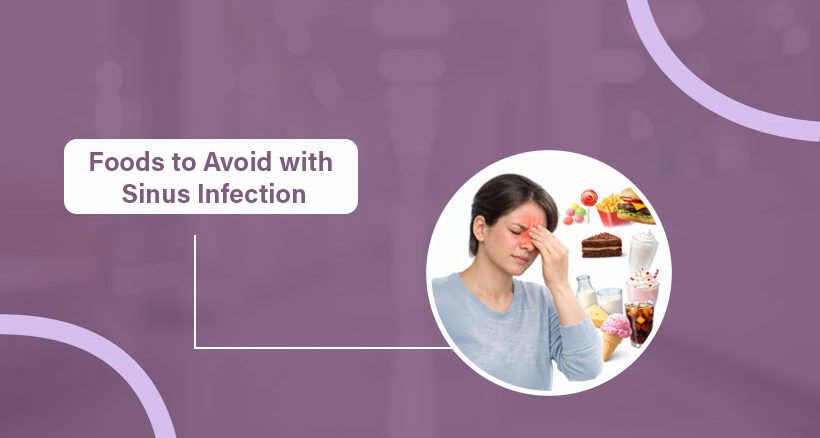
Sinus infection (sinusitis) can cause blocked nose, facial pressure, headache, and breathing difficulty. While medicines help, your diet plays a crucial role in recovery.
Many people ignore that certain foods can worsen mucus buildup and inflammation, making symptoms last longer.
According to Dr. Simple Bhadania (ENT Specialist in Ahmedabad), making small dietary changes can significantly improve sinus symptoms and speed up healing.
10 Foods to Avoid with Sinus Infection
If you’re suffering from sinusitis, avoiding certain foods can help reduce mucus buildup and inflammation. Here are the most important foods to avoid with sinus infection:
1. Dairy Products (Milk, Cheese, Paneer)
Dairy products like milk, cheese, butter, paneer, and ice cream can thicken mucus, making it harder for your sinuses to drain.
Many people ask: Is milk bad for sinus infection?
Yes, especially if you notice increased congestion after consuming it.
2. Sugary Foods
Sweets, chocolates, pastries, and sugary drinks can:
- Increase inflammation
- Weaken the immune system
- Slow down recovery
High sugar intake is one of the biggest triggers for sinus problems
3. Fried and Oily Foods
Foods like samosas, pakoras, chips, and fast food:
- Trigger inflammation
- Worsen sinus swelling
- Delay healing
4. Processed & Packaged Foods
Instant noodles, frozen meals, and packaged snacks contain:
- Preservatives
- Artificial additives
These can irritate your sinuses and worsen symptoms
5. Caffeinated Beverages (Tea & Coffee)
Too much tea or coffee can:
- Dehydrate your body
- Make mucus thick and sticky
Thick mucus = blocked sinuses
6. Alcohol
Alcohol can:
- Cause dehydration
- Increase nasal swelling
- Worsen sinus pressure
7. Cold Foods & Drinks
Cold drinks, ice cream, and refrigerated foods may:
- Irritate nasal passages
- Increase sinus discomfort
8. Red Meat
Red meat is high in saturated fats, which:
- Increase inflammation
- Slow down recovery
9. Gluten-Rich Foods
White bread, pasta, and bakery items may:
- Trigger inflammation (especially in sensitive individuals)
10. High-Histamine Foods
Foods like tomatoes, aged cheese, and fermented products:
- Increase histamine levels
- Cause nasal congestion
Foods to Avoid with Chronic Sinus Infection
If you suffer from long-term or recurring sinusitis, following a proper diet becomes essential. Avoiding trigger foods can help reduce inflammation and prevent frequent flare-ups.
Here are the most important foods to avoid with chronic sinus infection:
Foods to Avoid Strictly
Dairy products (milk, cheese, paneer)
→ Can continuously increase mucus production
Sugary foods and desserts
→ Promote inflammation and weaken immunity
Junk and fried foods
→ Worsen sinus swelling and delay recovery
Processed and packaged foods
→ Contain preservatives that trigger irritation
Alcohol and excess caffeine
→ Cause dehydration and thick mucus buildup
High-histamine foods (tomatoes, fermented foods)
→ Lead to nasal congestion and sinus pressure
Why Avoiding These Foods is Important
If you don’t control your diet, chronic sinusitis can worsen over time:
- Keeps inflammation active in the body
- Increases mucus production continuously
- Weakens the immune system
- Causes frequent sinus infections and flare-ups
Following a chronic sinusitis diet plan can significantly improve long-term symptoms.
Why Do These Foods Make Sinus Infection Worse?
Understanding how certain foods affect your body can help you manage sinus infection symptoms more effectively. These foods worsen sinusitis in the following ways:
- Increased Mucus Production: Foods like dairy products and sugar can make mucus thicker and stickier. This blocks the sinus passages and makes it harder for mucus to drain properly.
- Increased Inflammation: Fried, oily, and processed foods promote inflammation in the body. This leads to swelling in the sinus lining, making breathing more difficult.
- Dehydration: Caffeine and alcohol can dehydrate your body. When your body lacks fluids, mucus becomes dry and thick, causing blockage in the sinuses.
- Histamine Reaction: Certain foods like tomatoes and fermented products trigger histamine release. This can cause nasal congestion, irritation, and increased sinus pressure.
- Weakened Immune System: High intake of sugary foods weakens your immune system, making it harder for your body to fight infections and recover quickly.
What to Eat Instead for Sinus Relief
While avoiding trigger foods is important, including the right foods can help reduce symptoms and speed up recovery. Following the best diet for sinus infection can improve breathing and reduce inflammation.
Here are the best foods to eat in sinus infection:
Best Foods for Sinus Infection
- Warm soups and herbal teas
→ Help keep the body hydrated and thin mucus, making it easier to drain - Vitamin C-rich fruits (orange, amla, guava)
→ Boost immunity and help your body fight infection faster - Green leafy vegetables (spinach, methi, kale)
→ Rich in antioxidants that reduce inflammation - Ginger and turmeric
→ Natural anti-inflammatory ingredients that relieve sinus pressure - Light, home-cooked meals
→ Easy to digest and support faster recovery
Pro Tip:
Drink plenty of warm water throughout the day to keep mucus thin and prevent sinus blockage.
1-Day Sinus Infection Diet Plan for Fast Recovery
Following a simple sinus infection diet plan can help reduce mucus buildup, improve immunity, and speed up recovery.
Here’s a sample what to eat in sinus infection plan for one day:
Morning
Warm water + turmeric
→ Helps reduce inflammation and clears the throat
Breakfast
Vegetable poha or oats
→ Light, easy to digest, and provides essential nutrients
Lunch
Dal, rice, and green vegetables
→ Balanced meal rich in protein, fiber, and antioxidants
Snack
Fresh fruit + herbal tea
→ Boosts immunity and keeps you hydrated
Dinner
Light khichdi or warm soup
→ Easy to digest and helps prevent nighttime congestion
Why This Diet Works
- Keeps mucus thin and easy to drain
- Reduces inflammation
- Supports faster healing
- Improves overall immunity
When to See a Doctor
Consult a doctor if:
- Symptoms last more than 7–10 days
- Severe headache or facial pain
- High fever
- Thick yellow/green discharge
- Frequent sinus infections
Conclusion
Managing a sinus infection is not just about medication, your daily diet plays a crucial role in recovery.
By avoiding the right foods, you can reduce mucus buildup, control inflammation, and feel better faster.
Key Takeaways:
- Avoid dairy, sugar, fried, and processed foods
- Stay well hydrated to keep mucus thin
- Eat fresh, anti-inflammatory foods
Small lifestyle changes can significantly reduce symptoms, speed up healing, and help prevent future sinus problems.
If your symptoms are severe or keep coming back, it’s important to seek expert medical advice.
Dr. Simple Bhadania is an experienced ENT specialist in Ahmedabad who provides personalized treatment for sinus infections and chronic sinusitis.
Medical Review
Medically Reviewed by Dr. Simple Bhadania
ENT Specialist | 10+ Years Experience in Sinus & Nasal Disorders
FAQs
Is milk bad for sinus infection?
Yes, dairy may thicken mucus and worsen congestion in some people.
Which foods increase sinus problems?
Sugary foods, fried foods, dairy, and processed items are the biggest triggers.
Is banana bad for sinus?
Banana may increase mucus in some individuals, especially during infection.
What drinks help clear sinuses?
Warm water, herbal tea, ginger tea, and soups help thin mucus.